


Anger Management Therapy in Hamilton for Men
Updated: Sep 5

You Are More Than the Moments When Anger Takes Over
Maybe an argument escalated further than you intended. Perhaps your partner says they are tired of your temper, your children have started reacting to your tone or frustration follows you from work into the rest of your life. You may feel calm afterward and struggle to understand why the same pattern keeps happening.
For some men, anger arrives suddenly. For others, it builds quietly through stress, resentment, hurt or exhaustion until one more problem becomes the breaking point. It may show up as yelling, criticism, impatience, defensiveness, shutting down or disappearing emotionally.
First Step Men’s Therapy offers anger management therapy in Hamilton for men who want practical help understanding these reactions and changing what happens next. You will not be shamed or reduced to a label. Therapy provides a confidential place to be honest about what has happened, take responsibility and develop healthier ways to respond.
When Is Anger Becoming a Problem?
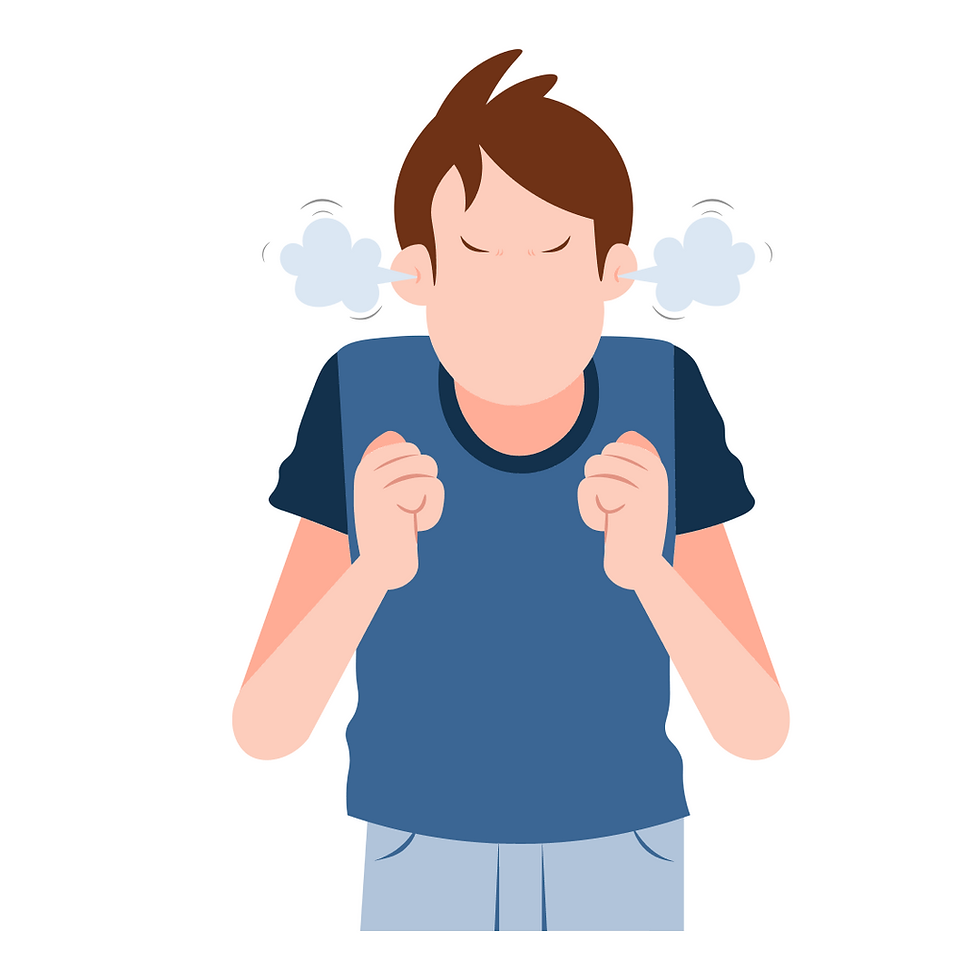
Anger itself is not automatically unhealthy. It can signal that something feels threatening, unfair, painful or out of control. The concern is what happens when anger becomes intense, frequent or harmful.
It may be time to speak with an anger therapist if:
Small frustrations regularly produce strong reactions
Arguments quickly become heated or personal
You yell, insult, intimidate or say things you later regret
You punch walls, throw objects or drive aggressively
You shut down, leave or use silence to avoid conflict
Your partner or family seems afraid of setting you off
Anger is creating consequences at work
Alcohol or other substances make your reactions worse
You feel ashamed after losing control but cannot stop the pattern
You worry that anger is damaging an important relationship
If anyone is in immediate danger, call 911. If you are in crisis or concerned that you may harm yourself or someone else, contact emergency services or a crisis resource rather than waiting for a routine therapy appointment.
What May Be Underneath the Anger?
Men are often encouraged to solve problems, stay composed and keep vulnerable feelings private. When there is little room for fear, sadness, shame or uncertainty, anger can become the fastest way distress reaches the surface.
Your anger may be influenced by current pressure, unresolved conflict, relationship pain, trauma, grief, anxiety, depression, ADHD-related frustration, substance use or patterns learned earlier in life. Sometimes it is connected to feeling ignored, disrespected or out of control. Often, several factors overlap.
Therapy helps you examine these possibilities without excusing harmful behaviour. Understanding what fuels a reaction makes it easier to interrupt the pattern and make choices that align with your values.
A Practical Approach to Anger Management
Anger therapy should involve more than being told to calm down. At First Step Men’s Therapy, you and your therapist may work on:
Mapping triggers and recurring conflict patterns
Recognizing physical and emotional warning signs
Creating space between an impulse and an action
Challenging thoughts that intensify anger
Communicating frustration without blame or intimidation
Responding to criticism, rejection or perceived disrespect
Managing work pressure and chronic stress
Understanding the connection between anger and substance use
Repairing relationships after conflict
Building emotional regulation skills you can use outside therapy
Treatment is personalized. Depending on your needs and the therapist’s training, sessions may draw on Cognitive Behavioural Therapy, acceptance-based approaches, mindfulness, emotion-focused work, trauma-informed therapy and practical communication strategies.
Anger, Conflict and Relationships
Many men seek anger counselling because someone they love has told them that things need to change. You may initially feel defensive, misunderstood or worried that therapy will simply assign blame.
Effective therapy can hold two truths at once: your reactions may have understandable roots, and you are still responsible for how you behave. That balance creates room for accountability without shame.
Individual therapy can help you identify escalation earlier, express what is underneath the anger and practise more effective ways to communicate. When it is clinically appropriate and both partners are willing, couples therapy may help address the larger interaction cycle and support safer, more respectful conversations.
Meet a Hamilton Therapist Who Works With Anger

Zachary Chiodi is a Registered Social Worker who provides in-person therapy at our Hamilton office. His areas of focus include anger management and emotional regulation, anxiety and depression, addiction and compulsive behaviours, grief, trauma and men’s issues.
Zachary works with men who may feel overwhelmed, disconnected or accustomed to carrying everything alone. His approach offers space to understand what is happening beneath the surface while working toward practical and lasting change.
In-Person Anger Management Therapy on Hamilton Mountain

The office is on Hamilton Mountain near Rymal Road. In-person appointments are available in Hamilton, with secure virtual therapy also available across Ontario.
First Step Men’s Therapy offers:
A clinic dedicated to men’s mental health
Practical, personalized psychotherapy
In-person and virtual appointments
Evening and weekend availability with selected therapists
A complimentary 20-minute consultation
Services that may be covered by workplace or private insurance plans
Direct billing with participating insurers when available
Change Can Begin Before the Next Blow-Up
You do not have to wait until another argument, warning at work or painful conversation forces the issue. Asking for help with anger is not an admission that you are broken. It is a decision to understand yourself more honestly and protect what matters to you.
If anger, irritability or emotional shutdown is affecting your relationships or daily life, our Hamilton therapists can help you take the next step.
Frequently Asked Questions
What is the difference between anger management and anger therapy?
Anger management often refers to learning skills for recognizing triggers and controlling reactions. Psychotherapy may include those skills while also exploring emotional, relational and historical factors that contribute to the pattern. At First Step Men’s Therapy, treatment is personalized rather than delivered as a one-size-fits-all course.
Will my therapist judge me for losing my temper?
Therapy should provide a respectful and accountable environment. You can discuss behaviour you regret without being reduced to that behaviour. The goal is to understand the pattern, address its impact and build safer, healthier responses.
Can therapy help if I tend to shut down instead of yelling?
Yes. Anger can appear as silence, avoidance, resentment, defensiveness or emotional withdrawal. Therapy can help you notice these patterns and communicate more directly before frustration accumulates.
Do you offer court-ordered anger management programs?
First Step Men’s Therapy provides psychotherapy for anger and emotional regulation. We do not represent this page as a court-certified program. If you require documentation or a program that meets a legal or workplace mandate, confirm the specific requirements before booking.
Is anger management therapy in Hamilton covered by insurance?
Many workplace and private insurance plans cover psychotherapy or social work services. Coverage depends on your plan and the designation of your therapist. Check your policy directly. We provide receipts and offer direct billing with participating insurers when available.
Can I attend anger therapy online?
Yes. In-person sessions are available at our Hamilton office, and secure virtual therapy is available across Ontario. Your consultation can help determine the most appropriate therapist and format.

Sources & Further Reading:
NHS, “Get help with anger”: https://www.nhs.uk/mental-health/feelings-symptoms-behaviours/feelings-and-symptoms/anger/
NHS, “Cognitive behavioural therapy”: https://www.nhs.uk/tests-and-treatments/cognitive-behavioural-therapy-cbt/


